Your Zany Passphrase of the Week is:
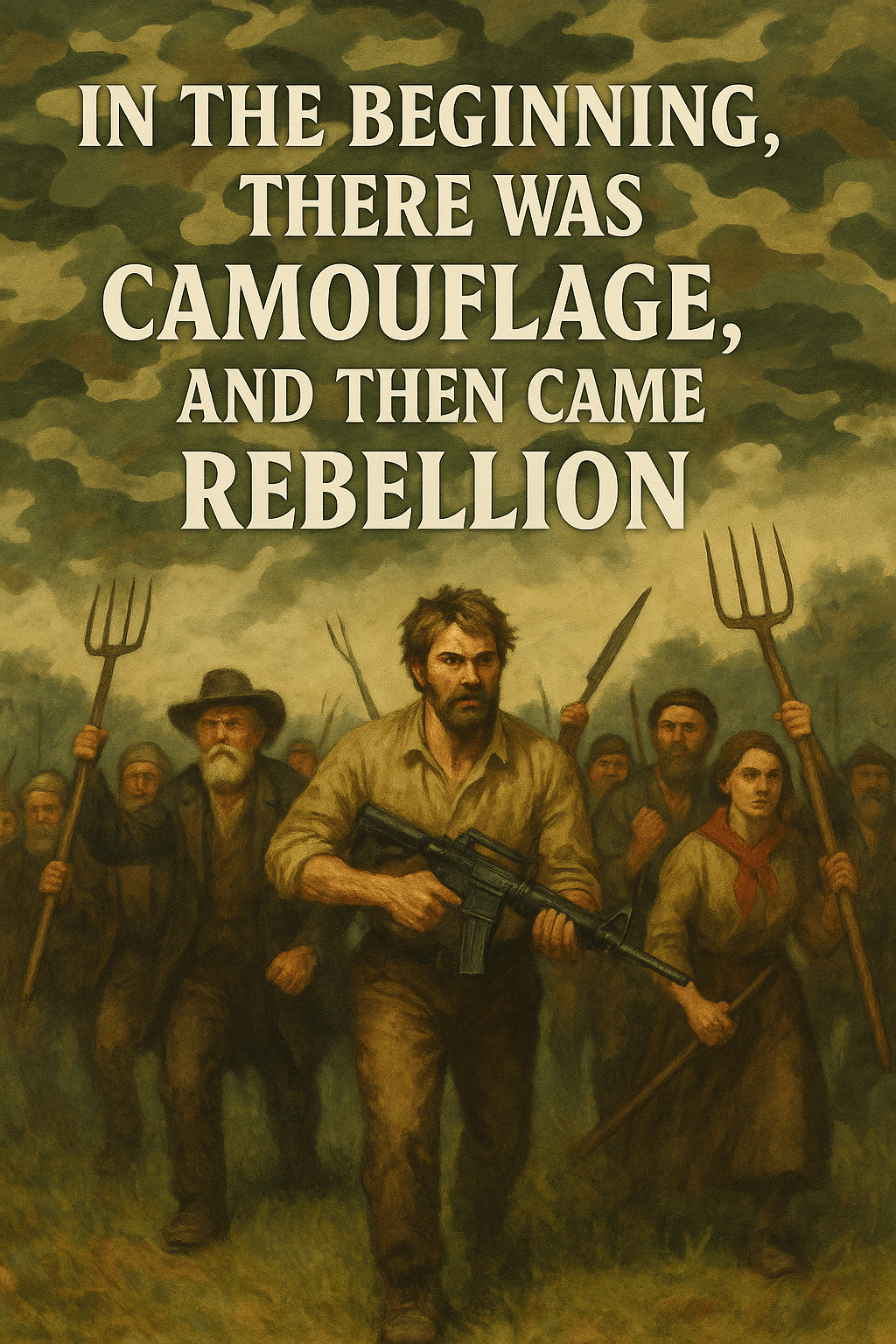
In the Beginning, There Was Camouflage, and Then Came Rebellion
Passwords started simple—easy-to-remember words, birthdays, even “123456.” For a while, that camouflage was enough to hide in plain sight. But attackers adapted, brute-forcing and dictionary-cracking their way through weak defenses. Today, the rebellion is here: longer passphrases, randomness, and creativity. Strength isn’t complexity alone—it’s standing out from the predictable crowd.
At 92.7 million years to brute-force crack this passphrase, you are taking a stand against the notion that passwords must be simple and short.
Why does it work? Camouflage hides in the ordinary. Rebellion breaks the pattern. Attackers rely on predictable choices—short words, common substitutions, reused credentials. A passphrase built on creativity and length defies those patterns, making brute force and dictionary attacks far less effective. The rebellion works because it’s unpredictable.



 Take Life on your Feet
Leave a comment